Why do Radiators Not Heat Up Properly? What to Check Before Winter
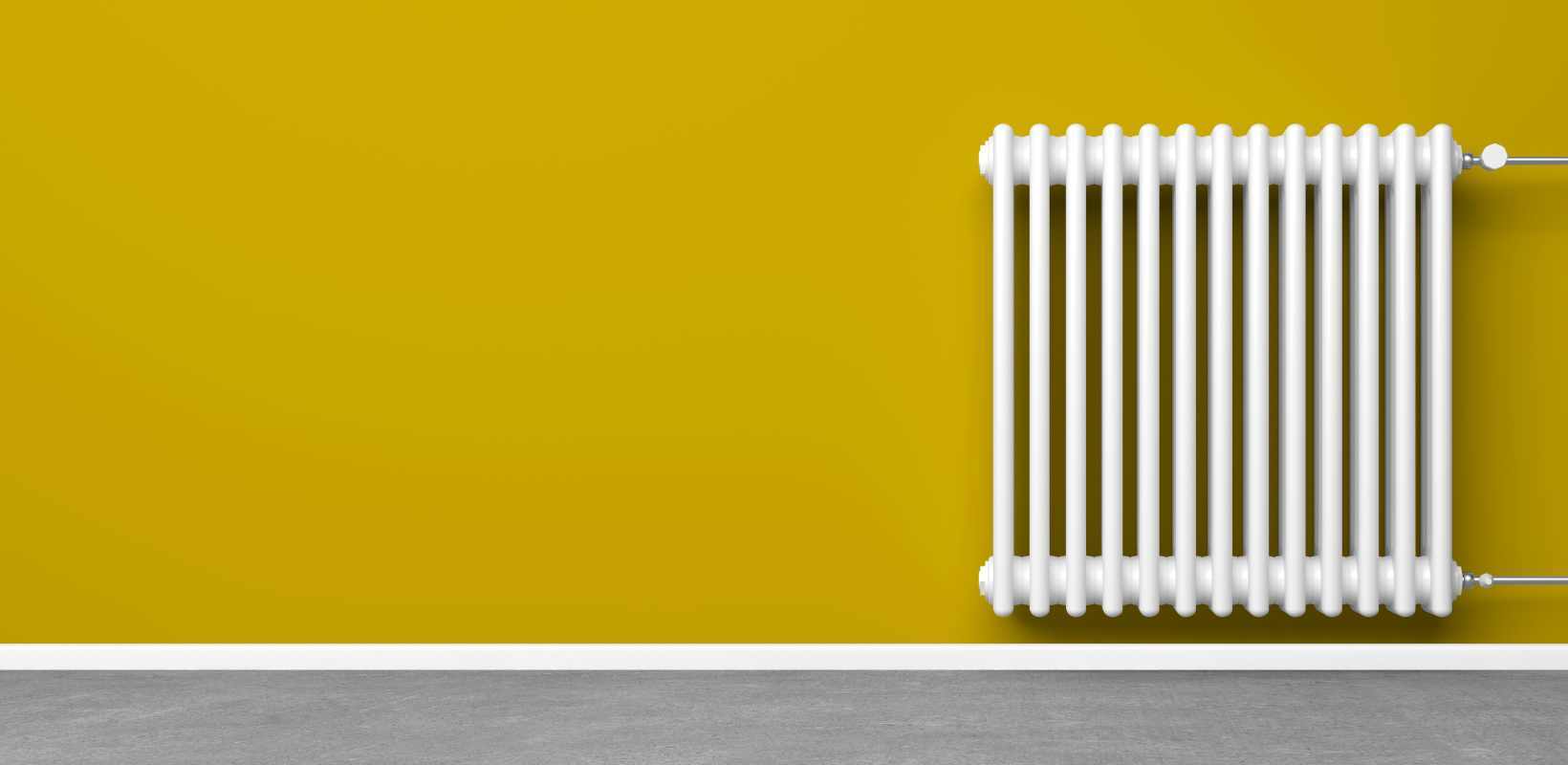
As winter fast approaches and the temperature starts to drop, many homeowners start switching their heating back on after several months of being much less reliant on it. This is often when radiator problems first become noticeable.
You might find that one radiator stays cold, some only heat at the top or bottom, or your home just takes much longer to warm up than it used to. These problems are worth looking into before the coldest months, particularly if you rely on your central heating every day.
There are several reasons why your radiators might not be heating up properly. Some are relatively straightforward, while others can indicate an issue with the wider heating system. Here are some things to look out for when getting your heating ready for winter.
Is One Radiator Cold While the Others Work?
If most of your radiators are working normally but one is still cold, the problem might be specific to that radiator rather than the whole heating system.
Start by checking whether the radiator is completely cold or only partially affected. The position of the cold area can provide a useful clue about what may be happening. Also check that the radiator valves are open and that nothing obvious is preventing the radiator from heating.
If the rest of the system is working normally but one radiator stays cold, we recommend having it checked rather than assuming it will eventually start working.
Why is a Radiator Cold at the Top?
A radiator that’s cold at the top but warmer towards the bottom might have air trapped inside it. Air can prevent hot water from circulating through the whole radiator, leaving part of it noticeably cooler. Sometimes, bleeding a radiator releases trapped air and resolves the problem.
However, if you regularly have to bleed the same radiator, or the problem keeps returning, bleeding isn’t a long-term solution. There might be another issue affecting the radiator or wider heating system that needs to be investigated.
If you’re unsure how to bleed a radiator safely, ask a professional rather than risk damaging a valve or creating another, more expensive problem.
Why is a Radiator Cold at the Bottom?
A radiator that’s cold at the bottom but warmer towards the top can have a different cause. One possibility is sludge build-up inside the radiator, which can restrict water flow through the system. This can affect how effectively the radiator transfers heat into the room.
If several radiators show the same symptoms, it may be worth looking at the whole heating system rather than treating each radiator individually. A heating engineer can assess the system and determine whether the issue is with a particular radiator, circulation or another part of the central heating system.
Are Some Radiators Heating More Quickly than Others?
It’s normal for radiators to heat at slightly different rates depending on their size and location, but a significant difference between rooms can be a sign that your system needs attention. For example, one room might get very warm while another stays noticeably cold. This could be related to how the system is balanced or how water is circulating around the property.
It can also be worth considering whether your current radiators are suitable for the rooms they heat. If you have extended your home, changed how you use a room, or made other improvements to the property, your original heating system might no longer suit your needs.
This is where an assessment by experienced heating engineers can help. Rather than replacing radiators right away, it’s useful to understand why the system is behaving differently.
What if the Radiators Take a Long Time to Warm Up?
If your radiators eventually get hot but take much longer than expected, there could be an issue with the heating system. Consider whether this is happening with every radiator or just one or two. If the whole system is slow, the cause might be different from an isolated radiator problem.
Also check whether your boiler, thermostat, and heating controls are operating as expected. Modern heating controls can give you much greater control over when your heating comes on and the temperature you want to maintain, yet there can be additional faults to consider.
If your system has become noticeably slower over time, rather than suddenly developing a fault, it might be worth having it assessed to see whether some general maintenance or an upgrade could improve performance this winter.
Could Your Radiator Need Repairing or Replacing?
Not every radiator problem means you need a new radiator. In some cases, the issue can be addressed with adjustments or repairs. However, a replacement can be worth considering if a radiator is badly corroded, repeatedly leaking, damaged or no longer suitable for the room.
The age and condition of the radiator are important, but so is the condition of the whole heating system. Replacing one radiator without addressing an underlying circulation or system problem won’t solve the issue you’re experiencing.
If you’re considering radiator repairs in Christchurch, we recommend getting a proper assessment first. This will help you decide whether repairing the existing radiator or replacing it is the better option.
What Should You Check Before Calling a Heating Engineer?
There are a few simple things you can check when your radiators aren’t heating properly. First, see whether the problem affects one radiator or several. Then check whether the affected radiator is cold throughout or only cold at the top or bottom.
It’s also useful to check your thermostat and heating controls to make sure the heating is actually on. If your boiler shows an error or you have other heating or hot water problems, note them as well. If you see a visible leak, hear an unusual noise, or notice another obvious fault, don't keep trying to adjust the system yourself. Instead, get some professional advice.
These checks won't necessarily tell you exactly what’s wrong, but they can give your engineer useful information when diagnosing the problem.
Get Your Heating Ready Before Winter
At Swan Heating Services, we recommend dealing with radiator problems before you reach the point where you constantly need your heating running. An underperforming radiator can become much more frustrating when temperatures drop and you need every room to stay warm.
If you have cold radiators, uneven heating, or a central heating system that isn't performing as it should, we can assess the problem and advise you on the best next step. We provide heating support for homeowners throughout Bournemouth and across the local area.
Whether your radiator needs attention or you have a bigger issue with your heating system, we can help you understand what’s happening and what needs to be done.
Contact us today to learn how we can help.